What emergency locksmith work typically includes.
No two lockouts are identical, and the correct tool depends on the lock, the situation, and the customer's wishes. This article focuses on legitimate, professional techniques used by licensed locksmiths; it does not teach how to pick locks unlawfully.
Lock picks and tension tools: the baseline for many residential calls.
When the cylinder is unharmed, picking is the least destructive and often fastest option. Experience matters: the same pick that opens a mailbox cylinder may fail on a hardened deadbolt, so I keep several types handy. Picking works well when the customer can prove ownership quickly, and when the lock is not a high-security, restricted keyway.
Slim jims and long-reach tools for vehicles: blunt instruments that work fast sometimes.
These tools are ideal for older models or cars without electronic locks where the latch mechanism is mechanically connected to the handle. Proper use requires careful wedge placement and a thin reach tool, and I pad any contact points to protect the finish. Modern cars with side airbags, electronic locks, or active anti-theft systems often defeat slim jim techniques, and forcing them can break interior panels.
When factory-style tools make sense.
These kits can include paddle tools, probe rods, and molded plastic protectors tailored to specific models. A purpose-built tool slips behind the molding without bending it and contacts the correct linkage point faster than generic rods. However, specialized kits are not universal; they cost more and require continuous updating to match new designs.
Key extraction tools: delicate but essential for broken key incidents.
Broken keys are a common emergency, and specialized extractors remove remnants without ruining the cylinder. I avoid drills unless the cylinder is seized or the fragment cannot be gripped after reasonable attempts. I tell customers the likely outcomes and get consent before drilling or replacing any components.
Modern locksmithing frequently involves programming rather than cutting metal.
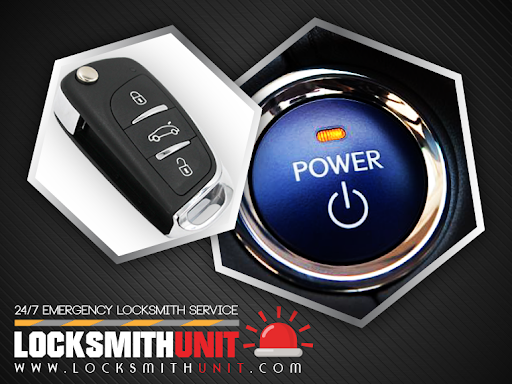
Remote keyless systems and transponder chips mean many lockouts are solved by programming a new key rather than manipulating a latch. In practice I check car make, model, and year to determine whether I can legally and technically program on the spot. A small inventory of frequent fob models saves time, and I stock batteries, buttons, and housings for same-day fixes.
How I choose destructive methods and how I limit collateral damage.
If a cylinder is seized, overbumped, or full of broken hardware, drilling and replacing it may be preferable to prolonged attempts that increase risk. A go/no-go assessment at the outset saves time, and I explain the trade-offs to the customer before starting. I only use spinners when certain of the technique and the parts I will need afterward.
Small investments that cut scene time.
Good visibility reduces trial-and-error and prevents accidental damage. A small magnet set, gloves, and a trim removal kit avoid scratched paint and torn panels, and I prefer plastic wedges and fleece covers for contact points. A methodical inspection usually halves the time compared with guesswork.
Locksmith Unit Orlando, FLWhy documentation matters in emergency locksmithing.
Having a policy helps avoid disputes and shows professionalism. Explaining the options and costs upfront prevents surprises, and I carry written estimates for common procedures like drilling, key replacement, or rekeying. Documentation also simplifies follow-up billing and warranty handling.
What I keep in the truck for a typical 24 hour locksmith setup.
Carrying common cylinder types, blank keys, ignition kits, fobs, and a selection of deadbolts means most jobs end the same day. Simple odds and ends prevent minor issues from turning into return trips. I track usage to know when to reorder and which parts are worth stocking.
What red flags and positive signs to listen for.
Ask whether the locksmith is licensed and insured, whether they require ID, and what their price estimate includes. Lowball offers often lead to forced entry and hidden fees; I recommend comparing two or three local providers when time allows. For urgent situations, ask about expected arrival time and whether they carry replacement parts for your make, and if possible get an estimate for the worst-case option so you are not surprised.
When to wait for a pro and when to try a quick fix.
If someone is locked in a car or a child or pet is at risk, call emergency services and a locksmith immediately, and do not attempt risky techniques yourself. Do not try to tow or smash a window unless you understand the consequences, since glass replacement and water intrusion are expensive and messy. Prevention beats emergency service; a spare safely stored or a quick rekey when you move saves time and money later.
When you need emergency locksmith help, prioritize credentials, clear communication, and a technician who can explain trade-offs before acting. If you keep one takeaway from this piece, let it be this: the tool matters, but the operator matters more.